Gas Cooktop Installation in Ferny Hills
Getting a gas cooktop connected is licensed work in Queensland, whichever fuel the house runs. Gas cooktop installation in Ferny Hills is one of our regular jobs: cooktops, wall ovens and heaters, leak-tested and certified before we leave.
If we're late, $100 comes off your bill

- Licensed and InsuredEvery job done by a licensed plumber. QBCC No: 15024607
- Fixed Quote FirstFlat-rate pricing, agreed before any work starts
- Lifetime Labour WarrantyBacked by our Fix-It-or-It's-Free guarantee (T&Cs apply)
- $0 Call-Out FeesNo extra charge for nights, weekends or public holidays
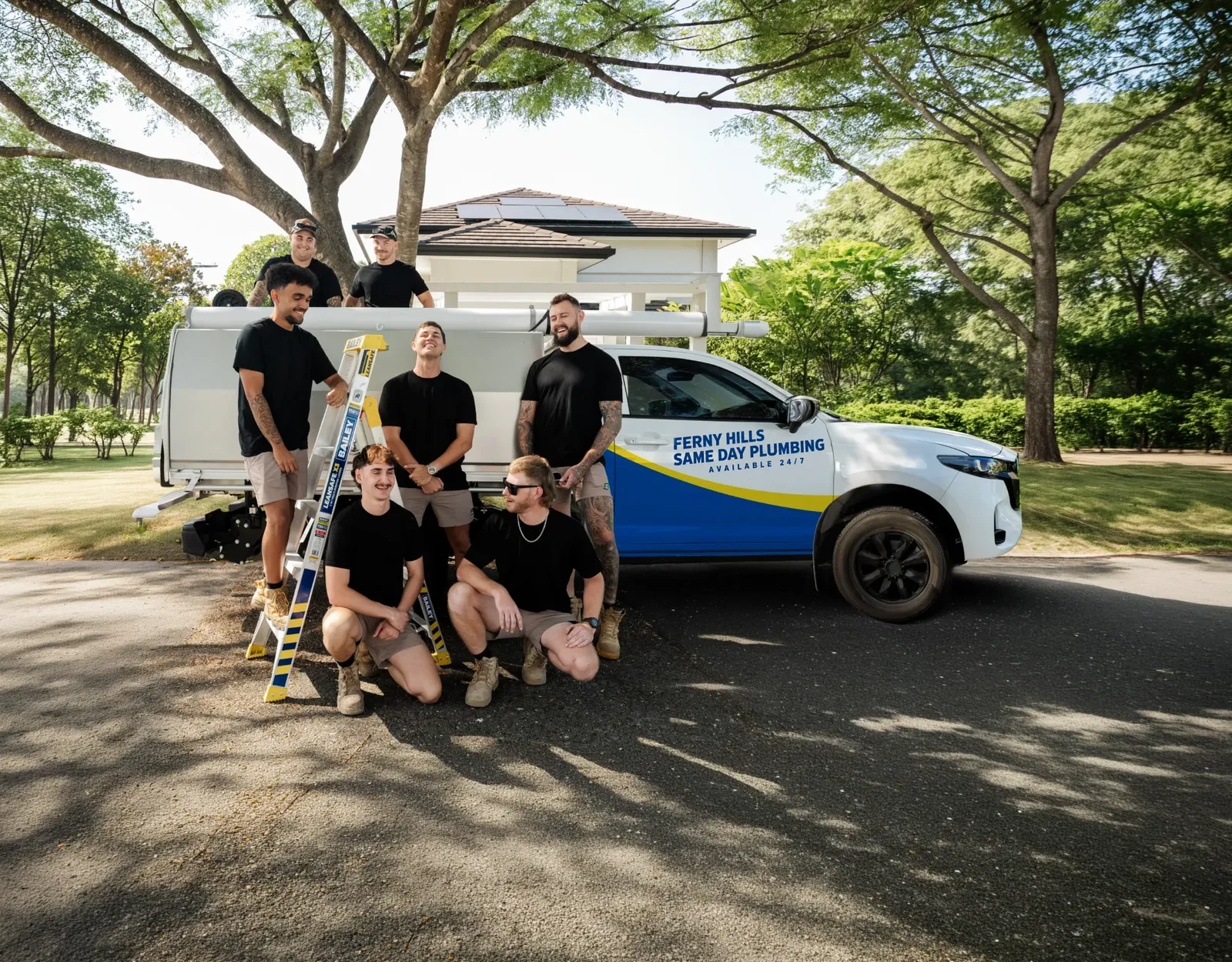
Every job is done by a licensed plumber who also holds a gas work licence, and we're available 24/7. The Ferny Hills home page lists the rest of what we do around the suburb.
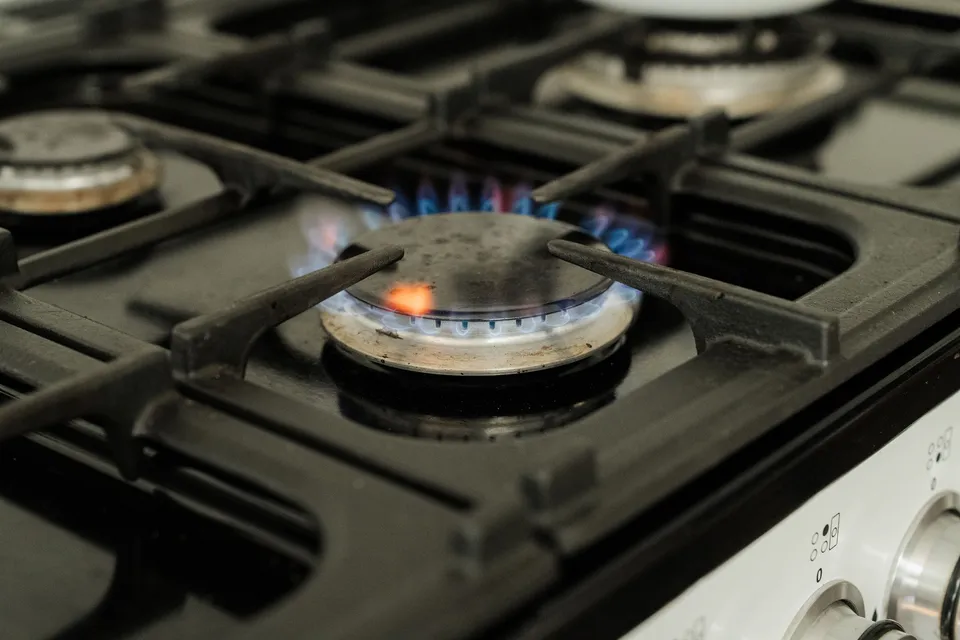
Why Gas Appliance Work Needs a Gasfitter
No, the law keeps every gas job for licensed tradespeople, and a cooktop swap is no exception. Gas work covers a gas system together with its pipework and connections, and the list runs long:
- installing
- removing
- altering
- repairing
- servicing
- testing
- certifying
The rule holds on natural gas and on LPG alike, and it catches small jobs too. Trading one cooktop for another on the point already in the bench is still gas work.
Ask any gasfitter for their licence before work begins; a licensed tradesperson expects the question. Our gas fitting page covers what that licence allows.
How a Cooktop, Oven or Heater Gets Connected
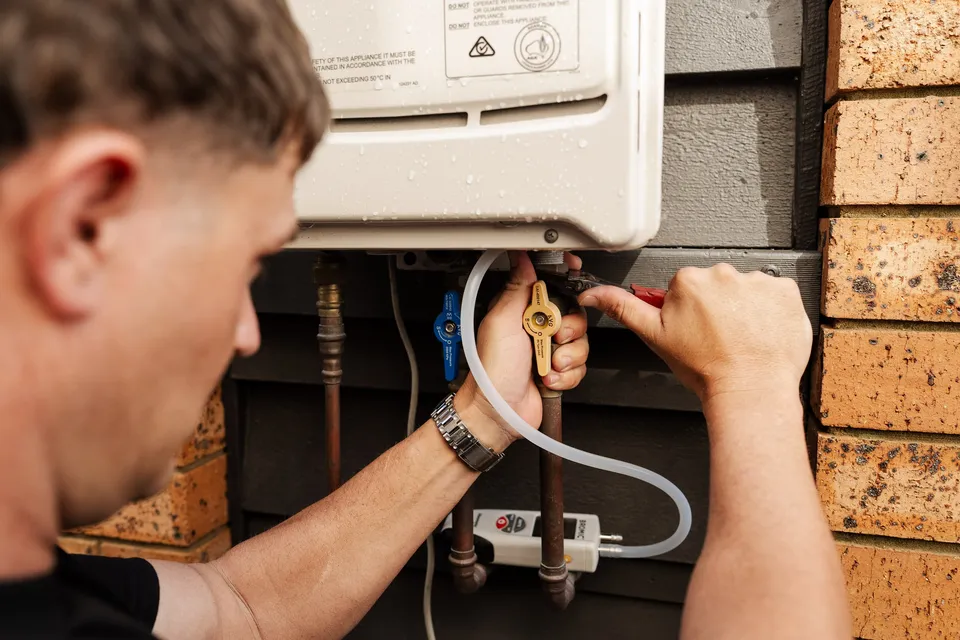
Connecting an appliance runs one sequence: run the line to the gas point, mount and connect the unit to the maker's instructions, leak-test every new joint, then certify. Each stage carries its own rule:
The gas point
A connection that already exists needs less pipe than a fresh line back to the meter, or a new cylinder set.
The instructions
Cookers and heaters go in to the manufacturer's instructions, and they should be serviced periodically afterwards by a licensed gasfitter.
The clearances
The maker's installation sheet sets the distance from the burners up to the rangehood and out to the cabinetry.
The leak test
Every fresh joint gets tested before we hand over.
The certificate
You receive a gas system compliance certificate straight after the install, confirming the work was done to code.
A cooktop, a wall oven and a freestanding cooker each draw on the supply differently. The burner count or an included oven changes the job as well.
Natural Gas, LPG and Conversions
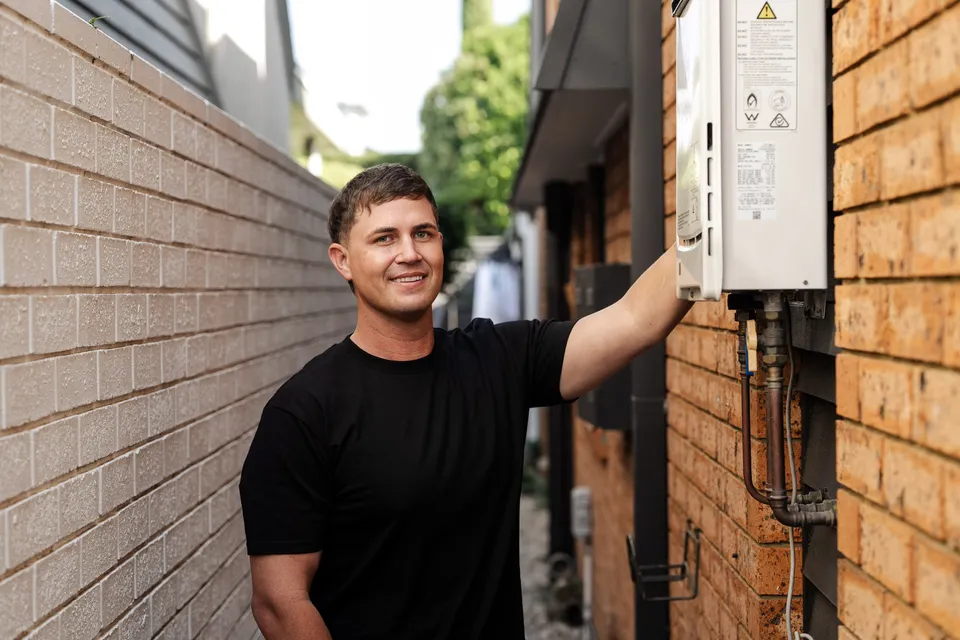
Three checks come before the appliance: the fuel, the supply and the pipes. Gas reaches a house by pipe off a metered street network, or out of LPG cylinders or a tank, and each appliance is set up for one fuel or the other.
Our gasfitter confirms the supply will carry the extra load before anything goes in:
On LPG
the cylinder storage and the vaporisation rate, because a bottle only gives off gas as fast as the liquid boils.
On metered gas
the meter and the capacity it carries.
On either fuel
the pipe sizing, since a line too small starves the burners.
One notice rule sits above the rest. Before a whole new gas system connects to a metered street supply, the licence holder gives the network operator advance notice. The same rule returns when added demand reaches 100 megajoules per hour, and the notice states what's planned and how much extra draw is coming.
Conversions sit inside the same law. Most appliances are built for a single fuel, so a cooktop moving from a house on natural gas to one on bottles needs converting first, with the maker's kit for that model. Our LPG vs natural gas guide compares the two fuels at home.

What a Safe Gas Appliance Has Built In
A safe appliance shows three built-ins: an approval badge from the national gas device scheme, flame failure protection, and reignition that lights a burner again on its own.
What each one does:
The badge
proves the appliance passed the checks required for sale in Australia.
Flame failure
shuts the gas off if the flame dies, so fuel stops feeding an open burner.
Automatic reignition
sparks the burner again instead of leaving it cold.
Look for all three when you buy. And if you ever smell gas afterwards, that is a different job: our gas leak repairs page covers the first minutes.
Cooktops indoors are one job. If you also want a bayonet point for the barbecue or an outdoor heater, our gas bayonet installation page handles that work.

Costs Beyond the Appliance Itself
The price comes down to four things: whether a gas point exists already, the appliance itself, checks on the supply, and any fuel conversion.
The point
A swap onto the connection already in the bench costs less pipe than running a new line from the street meter, or setting up a cylinder system.
The appliance
Extra burners, or an oven in the unit, change the work involved.
The checks
Meter capacity, cylinder sizing and pipe checks all happen before the install, and they vary with the fuel.
The conversion
An appliance built for the other fuel needs the maker's kit before it lights.
We work to flat-rate pricing and no hidden fees, with a fixed quote before any work starts.
Local builds shape the point decision. The newer kitchens in the Woolshed Grove estate tend to have their gas points planned from the start. A reno in an older brick home along Caesar Road usually works with whatever connection is already there.
Building approvals counted 134 new local dwellings in 2021-22, part of 623 across the five years before the last census. Each of those kitchens made the same point-or-line call.
How the Booking Works
- 1

Tell us what's happening
Call (07) 3523 6484 or send the form with a few details about the problem in Ferny Hills. A clear description helps us bring the right parts.
- 2

What the visit covers
We check the gas point against the appliance's install sheet, confirm the supply carries the load, connect the unit, leak-test every joint and certify the job.
- 3

Approve a fixed price
You get a fixed quote before any work starts, with flat-rate pricing and no hidden fees. Nothing goes ahead until you say yes.
- 4
Pay when it's finished
Pay by card or EFTPOS on site once the job's done, or ask about Fix now, pay later.
Plumbing job in Ferny Hills?
$0 call-out fees, available 24/7, and same-day where we can.
Questions We Get on Gas Appliances
Call (07) 3523 6484Can I install a gas cooktop myself?
No, Queensland reserves gas work for licensed gasfitters. Installing, altering or certifying a gas system is licensed work, so there is no do-it-yourself version of a cooktop install.
How much does gas cooktop installation cost in Ferny Hills?
Four things set the price: whether a gas point exists already or needs a fresh line, the appliance itself, checks on the supply, and any conversion between fuels. A fixed quote lands in your hands before work starts.
Does my gas supplier need to know about a new appliance?
No, unless the job is a whole new gas system, or the added draw reaches 100 megajoules per hour on a metered supply. The licence holder gives that notice, not the home owner.
Does a gas cooktop need clearance from walls and the rangehood?
Yes, every cooktop needs the clearances its maker sets. The installation instructions give the distances to the rangehood, cupboards and nearby surfaces, and your gasfitter works from that sheet.
Can I move my gas cooktop to a different spot in Ferny Hills?
Yes, once a licensed gasfitter does the move. Relocating a connection counts as altering the gas system, which makes the move licensed work, and the job finishes with a compliance certificate.

Call Us About Your Gas ApplianceWe'll call you back.
Book on (07) 3523 6484 for plumbing anywhere in Ferny Hills. We're available 24/7, there's no extra charge for nights, weekends or public holidays, and every job comes with $0 call-out fees.
To claim your $0 call-out fee, call (07) 3523 6484 today.